


My convictions and their basis
Why I Follow the Way of Jesus
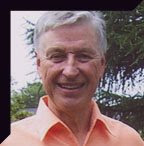
James W. Gustafson, PhD
I said in an earlier email/discussion that I would explain why I am not big on religion. But I am a follower of Jesus. Whether I am a Christian is for others to say, for the first tenet of Jesus’ message is that I am messed up in the eyes of God and only His grace can rescue me. He seems to know who I am and what the ultimate quest in life is all about.
Here is what is unique in Jesus’ message to mankind, in contrast to all other worldviews, religions, and philosophies.
All religions are human attempts to bend the forces that influence us to one’s own will. Say prayers, do rituals, worship the right way, help others. give offerings (the list is very long) and you will get the powers to flow for your benefit or the deity to aid your agenda.
Your goal is to live a good life, to escape suffering, be healthy, have what you need to be happy, and to make the cut (however that is defined) into the next life. “A good life now if possible and a better existence after death.”
This whole way of thinking is typical human reasoning. Who can go against “life, liberty, and the pursuit of happiness?”
Jesus has a different message—and a unique life to back it up.
He turned all this on its head. It’s not something any one would make up. Listen to his words.
If you want to gain life, lose it. If you want to be great, humble yourself. If you want fulfillment, deny yourself.
Fulfilled are you when you are at the end of rope, when people reject you for speaking the truth of the Gospel. You must be willing to be put down and even killed in order to be part of the kingly rule of God.
And this is what Jesus actually did.
He comforted the oppressed and stood up to the religious bullies of his time. He refused to save his own neck. His family, his friends and his God all abandoned him but he never flinched.
Let me say that I have studied his life and teachings for about 50 years, having degrees in theology and philosophy. I am basically skeptical of all grand claims. Countless times I have imagined myself on the scientific materialist side of the fence, trying to explain what we know honestly and without bias as far as that is possible. I have read the arguments of atheists from David Hume (1775) to Frederich Nietzsche (1880) to Bertrand Russell (1930) to Antony Flew (1970) to Richard Dawkins (2007). You may not know these names, but they are all heavy-hitters in philosophy.
Who is this person? I say that the most reasonable answer is this: he is who he said he is.
He is not a mere human, although he was born to Jewish peasants. He is more than a great teacher. He is more than an inspiring and courageous reformer.
He claimed that God, the Creator of all, was his heavenly father. He claimed to reveal God by his words and his life. He claimed to be equal with God, existing before the creation of the universe.
A bit of logic tells me this man is nuts or maybe evil or God the creator visiting us. C.S. Lewis showed that he was not delusional—there are no symptoms of delusion at all. He was not evil—no one, even the skeptics say that.
That leaves me with what his original followers (messed up and confused though they were at first) came to acknowledge: he is the unique Son of God.
But wait. There is another explanation. One that Mohammad and countless others came up with—the records of Jesus life and teaching are corrupted.
That doesn’t work once you study the facts. Scholars have spent more time analyzing the New Testament than on any scholarly project in history. Starting with various “corruption” theories, the scholarship now concedes (with a few holdouts, to be sure) that we have the story pretty much as the it was first written down by people who knew Jesus—what he said and what he did. As one of the original writers put it, we have not followed cleverly-devised tales.” I would be intellectually dishonest not to accept this.
So where does that leave me? It makes me consider whether what Jesus said is true, not just in theory, but also in real life.
Here’s what I found, in a nutshell.
I am a self-centered person, seeking to run my life the way I want. Even the good I do is compromised by self-motives. I often deceive myself into thinking I can be my own god and even use religion to get what I want, to feel better, and be proud of my self-sufficiency.
This is not true. I know it if I am honest. I am deluding myself. I need rescue and an extreme makeover, starting on the inside where no one else can see or know me.
Jesus asks me to turn over everything—the good and the not-so-good—to him and to seek God’s forgiveness for putting my will in place of his and to ask for mercy through the life Jesus sacrificed for me and the new life he can grow in me.
When I decided to do this, everything changed for me. God has come into my life (what Jesus called the Holy Spirit) and has kept his promises. I am a long way from where I need to be, but the joy and peace and sense of fulfillment is always there.
Why do I say I am not keen on religion? Because doing life as Jesus requires is a complete bending of my will and wants to his. It’s not about me any more. It’s about him.
But Christianity is a religion, you say.
Yes. But Jesus condemned even this religion. He said people would come to twist the way of grace into a religion of works like all the other religions. Go to Mass, say prayers, do penance, pay tithes, give to the unfortunate—and if you are good enough God will know you made the cut. Jesus said to those who did all this religious stuff—get out of here—I do not know you. Jesus said most would not make the cut even though they thought they would. Why? Because salvation is based entirely on what God gives a person and zero on what that person does. This is very plain in the teachings of those who heard his teaching.
I am joyfully doing all I can to live as Jesus lived, serving God and others—not to make myself worthy but solely to live out my thanks for the free gift of forgiveness and eternal life.
Jesus tells it like it is. I know I will not be spared hardship, suffering and even death for his cause.
Yet I have known many people who are religious turn their back on their god. God let their loved one die of cancer at a young age, or be killed in accident or by suicide. God allowed the loss of a job and income. God didn’t protect my kid from abuse or some other pain. God is so heartless—I can never believe in him. The examples are endless. There is a false premise here that is at the base of religion. God is there to make my life good. When my life is not good, why be religious any longer?
Jesus did not promise to make life on earth good for me. What he asks is the one leave everything and follow him. It’s more like joining the Navy Seals or volunteering for a trek through hell. You can get hurt, deprived, tortured, abandoned, and killed. That’s what Jesus said would be normal for his followers. (You can read it—it’s in the book.) So when hardships people complain of come the true follower rejoices. Can you believe what this man said? It’s what our Leader went through himself and what he has a right to demand of me. One guarantee—he will never leave us—he walks through it all with us and promises it will be worth it in the end.
Religion doesn’t go for this, generally speaking. People think their good deeds or faithful rituals will impress the deity. Or they seek health and wealth (listen to those TV preachers!). Or they think they can stay wimpy and soft in good feelings. Or they rely on a formula: I was baptized, I said prayers, I memorize the Koran, I said the sinners prayer and got born again.
No way! Jesus stood against all this. I admire him for it. He does answer prayer. (I have seen scores of remarkable outcomes from prayer both here and in India and Africa, by the way.) But he does not answer prayer to make us feel better or spare us suffering. He does it to show that God is there and his demands on us are real.
After studying all the major religions and the major philosophical worldviews, what Jesus taught makes the most sense. His life is the one most worthy of emulating. I have experienced his life in me by the Holy Spirit. And that cannot be conveyed in words or concepts—it has to be experienced, just like you cannot really convey the glories of a spectacular sunset to a person blind from birth. They have to be re-born with the capacity for sight to have a real experience of what it’s like.
I’ve signed on. No regrets following Jesus for many decades now. None.
So that’s my explanation of why I’m not big on religion. Just on Jesus, the carpenter from Nazareth.
Other religions want to re-make him into one of their own via distortions – from Islam to New Age to Dan Brown to secularist, to atheists (Nietzsche etc) Why? Because he is the single most influential person who ever lived. My agnostic colleagues at NECC acknowledge that even thought they reject his central claim.
I agree with what Paul had to say—a man who persecuted those who believed Christ was the Messiah of God until Jesus knocked him off his horse and changed his life 180 degrees. “For me, living means Christ and dying is gain.” After many decades this is where I stake my claim. Remember, God has no grandchildren—every one comes personally to ask for adoption into the Family of the Father, who made all there is or ever will be and who invites me to come home to him.
James W. Gustafson, PhD
I said in an earlier email/discussion that I would explain why I am not big on religion. But I am a follower of Jesus. Whether I am a Christian is for others to say, for the first tenet of Jesus’ message is that I am messed up in the eyes of God and only His grace can rescue me. He seems to know who I am and what the ultimate quest in life is all about.
Here is what is unique in Jesus’ message to mankind, in contrast to all other worldviews, religions, and philosophies.
All religions are human attempts to bend the forces that influence us to one’s own will. Say prayers, do rituals, worship the right way, help others. give offerings (the list is very long) and you will get the powers to flow for your benefit or the deity to aid your agenda.
Your goal is to live a good life, to escape suffering, be healthy, have what you need to be happy, and to make the cut (however that is defined) into the next life. “A good life now if possible and a better existence after death.”
This whole way of thinking is typical human reasoning. Who can go against “life, liberty, and the pursuit of happiness?”
Jesus has a different message—and a unique life to back it up.
He turned all this on its head. It’s not something any one would make up. Listen to his words.
If you want to gain life, lose it. If you want to be great, humble yourself. If you want fulfillment, deny yourself.
Fulfilled are you when you are at the end of rope, when people reject you for speaking the truth of the Gospel. You must be willing to be put down and even killed in order to be part of the kingly rule of God.
And this is what Jesus actually did.
He comforted the oppressed and stood up to the religious bullies of his time. He refused to save his own neck. His family, his friends and his God all abandoned him but he never flinched.
Let me say that I have studied his life and teachings for about 50 years, having degrees in theology and philosophy. I am basically skeptical of all grand claims. Countless times I have imagined myself on the scientific materialist side of the fence, trying to explain what we know honestly and without bias as far as that is possible. I have read the arguments of atheists from David Hume (1775) to Frederich Nietzsche (1880) to Bertrand Russell (1930) to Antony Flew (1970) to Richard Dawkins (2007). You may not know these names, but they are all heavy-hitters in philosophy.
Who is this person? I say that the most reasonable answer is this: he is who he said he is.
He is not a mere human, although he was born to Jewish peasants. He is more than a great teacher. He is more than an inspiring and courageous reformer.
He claimed that God, the Creator of all, was his heavenly father. He claimed to reveal God by his words and his life. He claimed to be equal with God, existing before the creation of the universe.
A bit of logic tells me this man is nuts or maybe evil or God the creator visiting us. C.S. Lewis showed that he was not delusional—there are no symptoms of delusion at all. He was not evil—no one, even the skeptics say that.
That leaves me with what his original followers (messed up and confused though they were at first) came to acknowledge: he is the unique Son of God.
But wait. There is another explanation. One that Mohammad and countless others came up with—the records of Jesus life and teaching are corrupted.
That doesn’t work once you study the facts. Scholars have spent more time analyzing the New Testament than on any scholarly project in history. Starting with various “corruption” theories, the scholarship now concedes (with a few holdouts, to be sure) that we have the story pretty much as the it was first written down by people who knew Jesus—what he said and what he did. As one of the original writers put it, we have not followed cleverly-devised tales.” I would be intellectually dishonest not to accept this.
So where does that leave me? It makes me consider whether what Jesus said is true, not just in theory, but also in real life.
Here’s what I found, in a nutshell.
I am a self-centered person, seeking to run my life the way I want. Even the good I do is compromised by self-motives. I often deceive myself into thinking I can be my own god and even use religion to get what I want, to feel better, and be proud of my self-sufficiency.
This is not true. I know it if I am honest. I am deluding myself. I need rescue and an extreme makeover, starting on the inside where no one else can see or know me.
Jesus asks me to turn over everything—the good and the not-so-good—to him and to seek God’s forgiveness for putting my will in place of his and to ask for mercy through the life Jesus sacrificed for me and the new life he can grow in me.
When I decided to do this, everything changed for me. God has come into my life (what Jesus called the Holy Spirit) and has kept his promises. I am a long way from where I need to be, but the joy and peace and sense of fulfillment is always there.
Why do I say I am not keen on religion? Because doing life as Jesus requires is a complete bending of my will and wants to his. It’s not about me any more. It’s about him.
But Christianity is a religion, you say.
Yes. But Jesus condemned even this religion. He said people would come to twist the way of grace into a religion of works like all the other religions. Go to Mass, say prayers, do penance, pay tithes, give to the unfortunate—and if you are good enough God will know you made the cut. Jesus said to those who did all this religious stuff—get out of here—I do not know you. Jesus said most would not make the cut even though they thought they would. Why? Because salvation is based entirely on what God gives a person and zero on what that person does. This is very plain in the teachings of those who heard his teaching.
I am joyfully doing all I can to live as Jesus lived, serving God and others—not to make myself worthy but solely to live out my thanks for the free gift of forgiveness and eternal life.
Jesus tells it like it is. I know I will not be spared hardship, suffering and even death for his cause.
Yet I have known many people who are religious turn their back on their god. God let their loved one die of cancer at a young age, or be killed in accident or by suicide. God allowed the loss of a job and income. God didn’t protect my kid from abuse or some other pain. God is so heartless—I can never believe in him. The examples are endless. There is a false premise here that is at the base of religion. God is there to make my life good. When my life is not good, why be religious any longer?
Jesus did not promise to make life on earth good for me. What he asks is the one leave everything and follow him. It’s more like joining the Navy Seals or volunteering for a trek through hell. You can get hurt, deprived, tortured, abandoned, and killed. That’s what Jesus said would be normal for his followers. (You can read it—it’s in the book.) So when hardships people complain of come the true follower rejoices. Can you believe what this man said? It’s what our Leader went through himself and what he has a right to demand of me. One guarantee—he will never leave us—he walks through it all with us and promises it will be worth it in the end.
Religion doesn’t go for this, generally speaking. People think their good deeds or faithful rituals will impress the deity. Or they seek health and wealth (listen to those TV preachers!). Or they think they can stay wimpy and soft in good feelings. Or they rely on a formula: I was baptized, I said prayers, I memorize the Koran, I said the sinners prayer and got born again.
No way! Jesus stood against all this. I admire him for it. He does answer prayer. (I have seen scores of remarkable outcomes from prayer both here and in India and Africa, by the way.) But he does not answer prayer to make us feel better or spare us suffering. He does it to show that God is there and his demands on us are real.
After studying all the major religions and the major philosophical worldviews, what Jesus taught makes the most sense. His life is the one most worthy of emulating. I have experienced his life in me by the Holy Spirit. And that cannot be conveyed in words or concepts—it has to be experienced, just like you cannot really convey the glories of a spectacular sunset to a person blind from birth. They have to be re-born with the capacity for sight to have a real experience of what it’s like.
I’ve signed on. No regrets following Jesus for many decades now. None.
So that’s my explanation of why I’m not big on religion. Just on Jesus, the carpenter from Nazareth.
Other religions want to re-make him into one of their own via distortions – from Islam to New Age to Dan Brown to secularist, to atheists (Nietzsche etc) Why? Because he is the single most influential person who ever lived. My agnostic colleagues at NECC acknowledge that even thought they reject his central claim.
I agree with what Paul had to say—a man who persecuted those who believed Christ was the Messiah of God until Jesus knocked him off his horse and changed his life 180 degrees. “For me, living means Christ and dying is gain.” After many decades this is where I stake my claim. Remember, God has no grandchildren—every one comes personally to ask for adoption into the Family of the Father, who made all there is or ever will be and who invites me to come home to him.
posted by Jim Gustafson | 6:04 PM
|
2 comments

